What Burn Marks Can Tell You
April 9, 2026
Many things can cause burn marks on your fresh rip cuts, from a dirty or dull blade to a misaligned fence. But if your blade is clean and sharp, you are using GRR-RIPPERs to keep the stock parallel to the blade and still get burns along the kerf, those burns can tell you what is wrong if you know how to ‘read’ them.
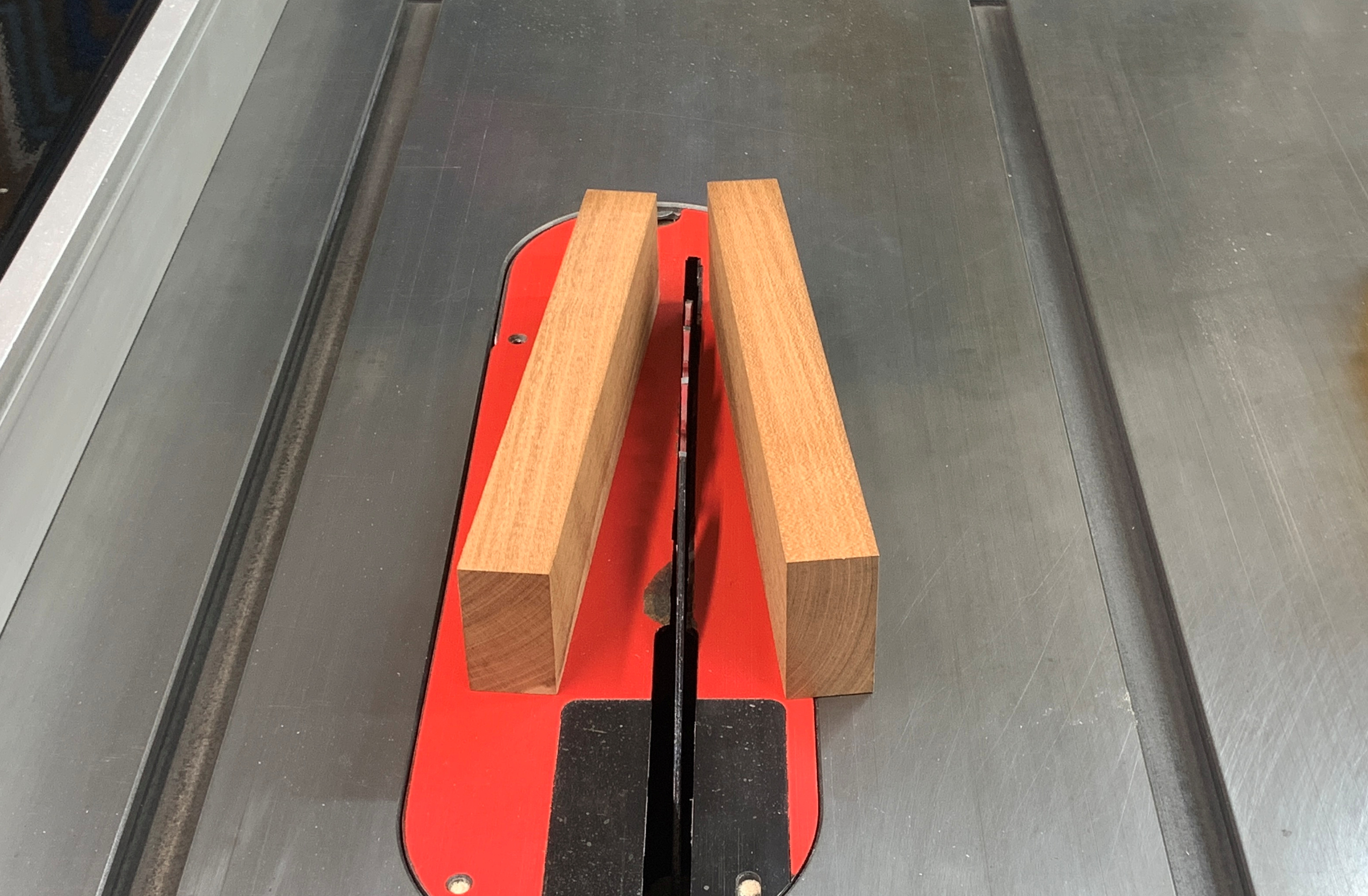
Most saws are operated with the rip fence to the right of the saw blade, so the ‘rip’ or ‘keeper’ side of the cut would be to the right of the blade and the ‘off-fall’ would be to the left. The photos here are oriented that way and taken from the outfeed side of the saw.
Burn marks on the right of your cut, closest to the rip fence, show that the rip fence is mis-aligned slightly toward the blade front to back. Measuring it should show the back of the fence is closer to the blade than the front. This pushes the stock past the blade at an angle. The teeth at the front cut the stock, but the teeth at the back are rubbing along the kerf edge and this friction causes the burn marks.
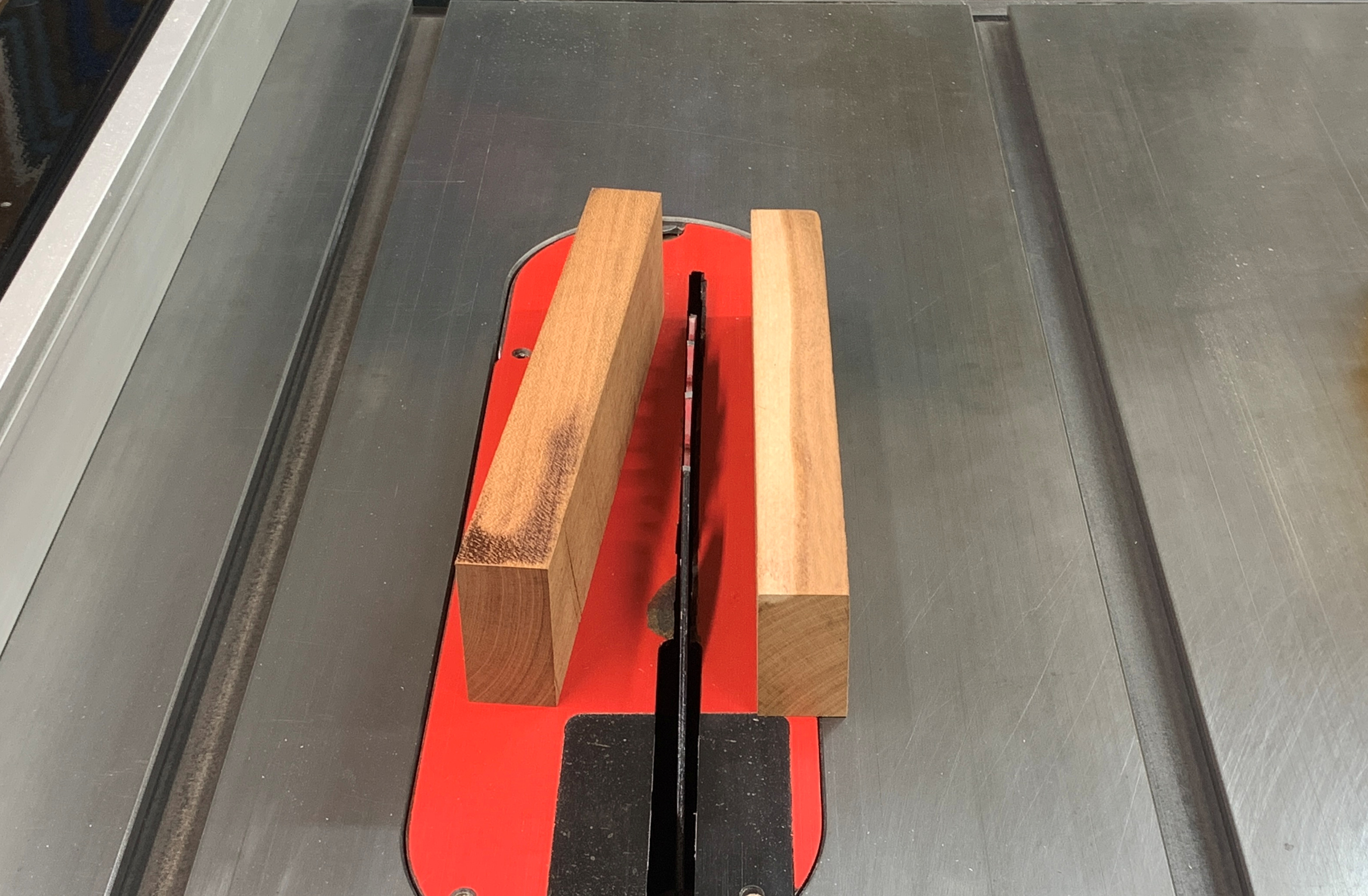
Burn marks on the left side of the kerf, away from the rip fence, means the fence is mis-aligned away from the blade measured front to back. The burns are still caused by the back of the blade, but on the left side. In either of these cases, resetting your rip fence to be exactly parallel with the blade will fix the burning issue.
If you see burning on both sides of the kerf, but only in certain spots, your feed technique may need improvement. Cutting too slowly allows the blade to rub in one area too much and the friction causes heat that can leave burns.
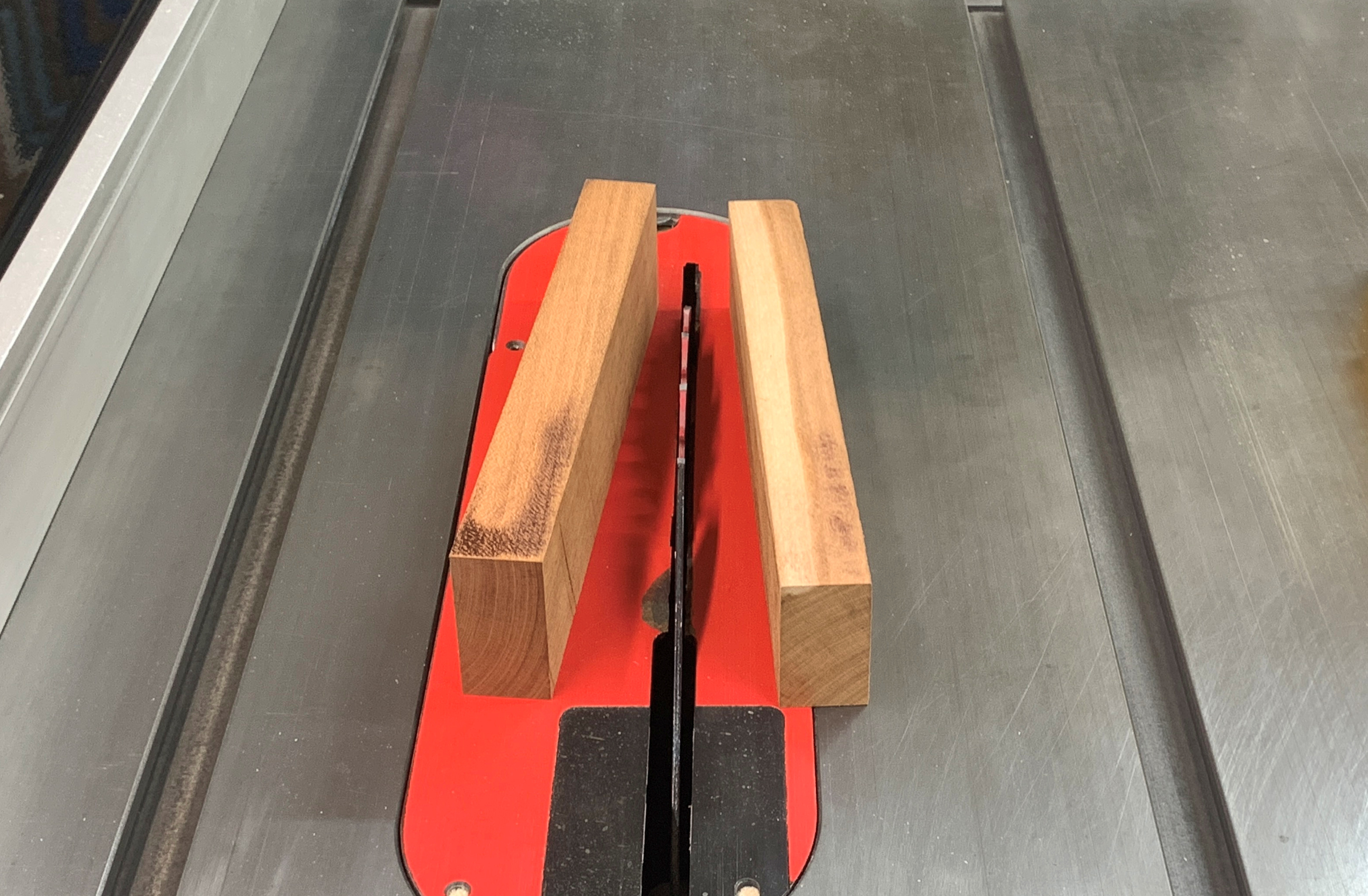
Burns at the front of the cut may mean you are feeding too slowly until the part is fully engaged with the blade. Burns at the back may mean you are hesitating at the finish of the cut. And if you pause in the middle of ripping longer boards, you will certainly see a tool mark if not a burn at that spot. Using two GRR-RIPPERs in a hand-over-hand method can keep your long board moving steadily past the blade leaving a near perfect edge.
Some people believe that setting the rip fence with a small “drift” to the right will prevent binding between the blade and the fence. This is unsafe for the reasons stated above. This setup will cause tool marks and burning on the left of the kerf and if one of those teeth catch the off fall as it separates from the stock, it can kick back.
Every saw manual clearly states that the miter slots and the rip fence MUST be parallel to the blade for safe and accurate operation.
Reading any burn marks you see will let you know if your saw needs tuning and where to look for the fix.